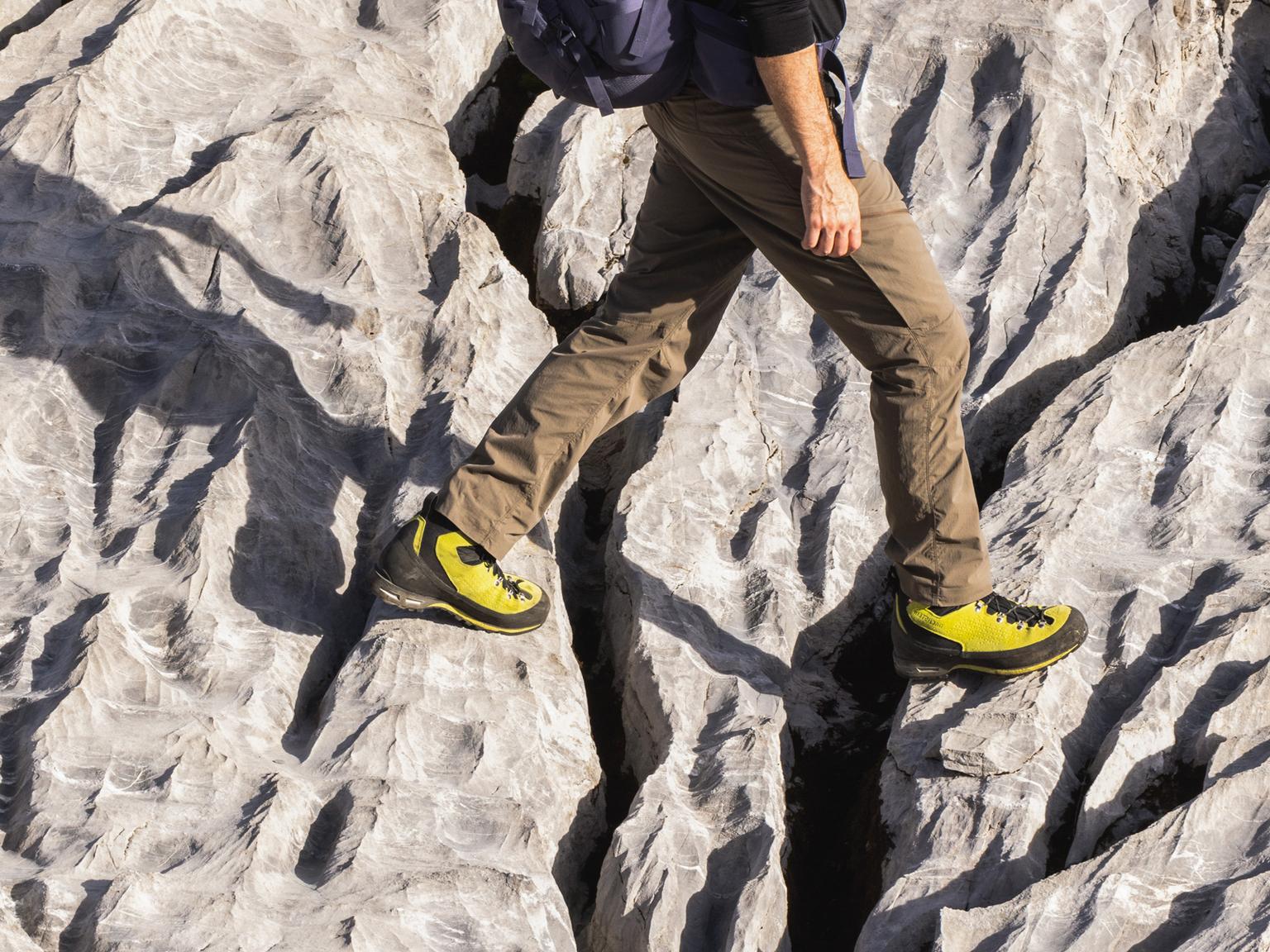
Hiking season draws countless nature lovers to the Swiss mountains. But if every step downhill sends a stab through your knee or burns the soles of your feet, the hike quickly becomes a torment. We show how the interplay of gait pattern, insoles and footwear ensures carefree hours in the mountains.
Peak performance for feet and joints
Hiking is very popular, but it places considerable demands on our musculoskeletal system. Unlike normal walking on flat ground, uneven terrain and especially the descent exert considerable forces on our joints, tendons and ligaments. Quite often, the strain when walking downhill equals many times your own body weight.
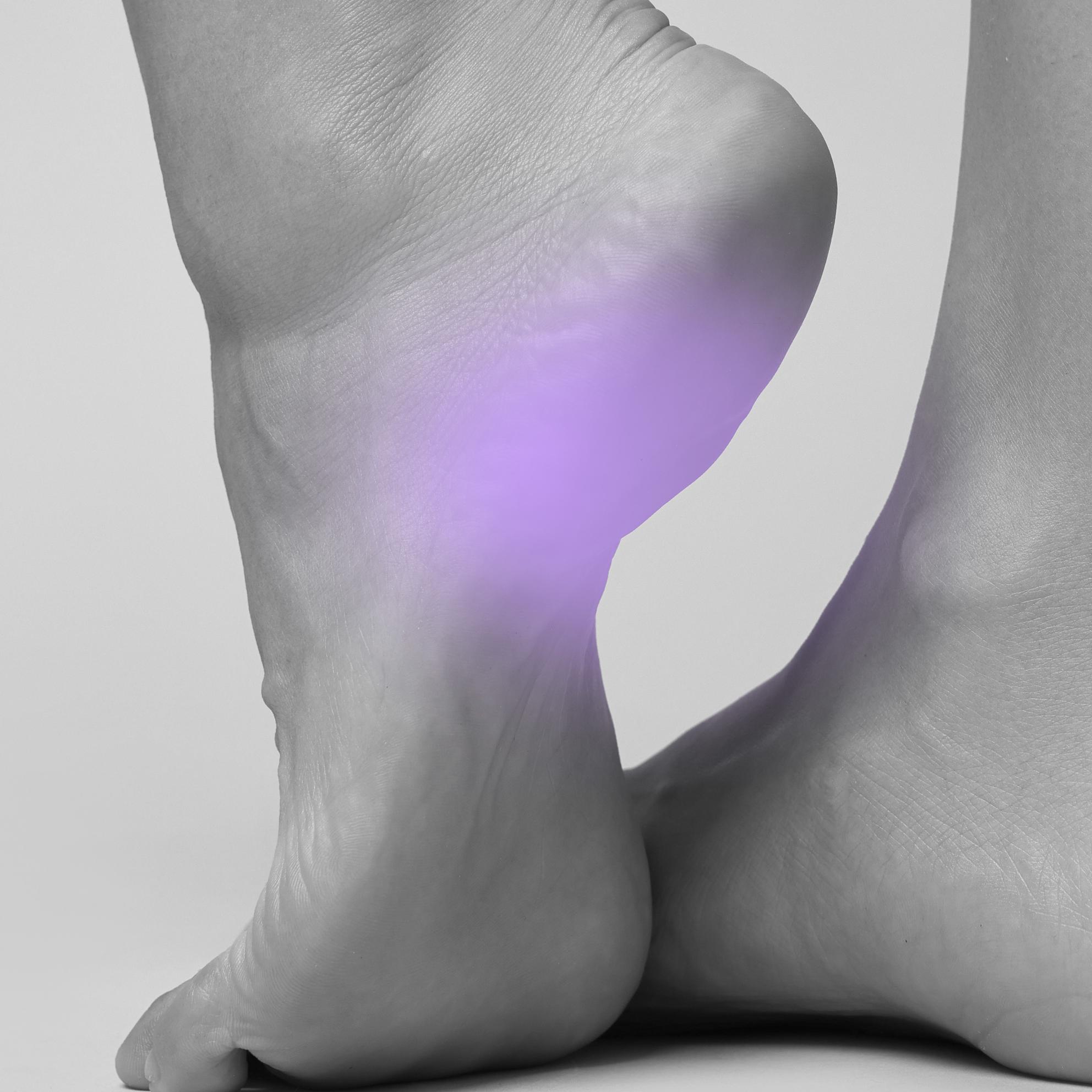
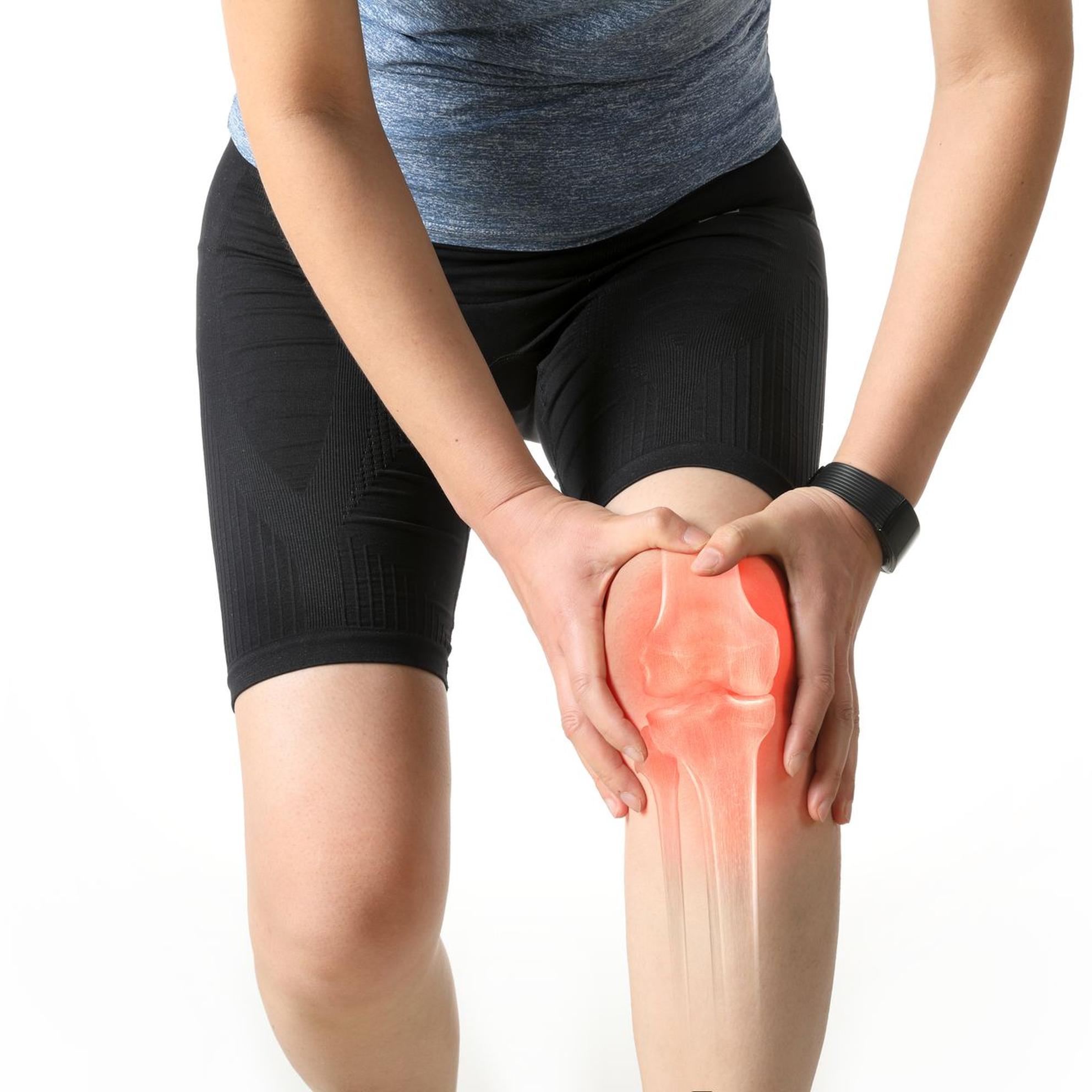
When complaints such as Knee pain , a painful Achilles tendon or pressure points arise under these conditions, they are often wrongly dismissed as unavoidable side effects of long hikes. In most cases, however, the causes are faulty biomechanics, suboptimal pressure distribution or unsuitable footwear.
The biomechanics of the foot as a foundation
If the natural shape of the foot changes — for example due to flat feet, splayed feet or overpronation — this has a direct impact on the body’s entire biomechanics. If the foot rolls inward excessively during movement, the lower leg inevitably rotates along with it. This movement pattern continues up through the knee to the hip and creates damaging shear forces in the joint.
On long hikes, this constant misuse quickly leads to overuse symptoms such as runner’s knee, inflammation of the plantar fascia or tension in the back muscles. Cushioning alone in a hiking boot is often not enough. On the contrary: very soft soles can additionally destabilize the foot on rough terrain and even worsen misalignments.
Step by step to being pain-free
To prevent pain sustainably, it is essential to look at each person’s movement patterns holistically. At NUMO, this is exactly where we start, combining precise analysis with custom-made orthopedic technology.
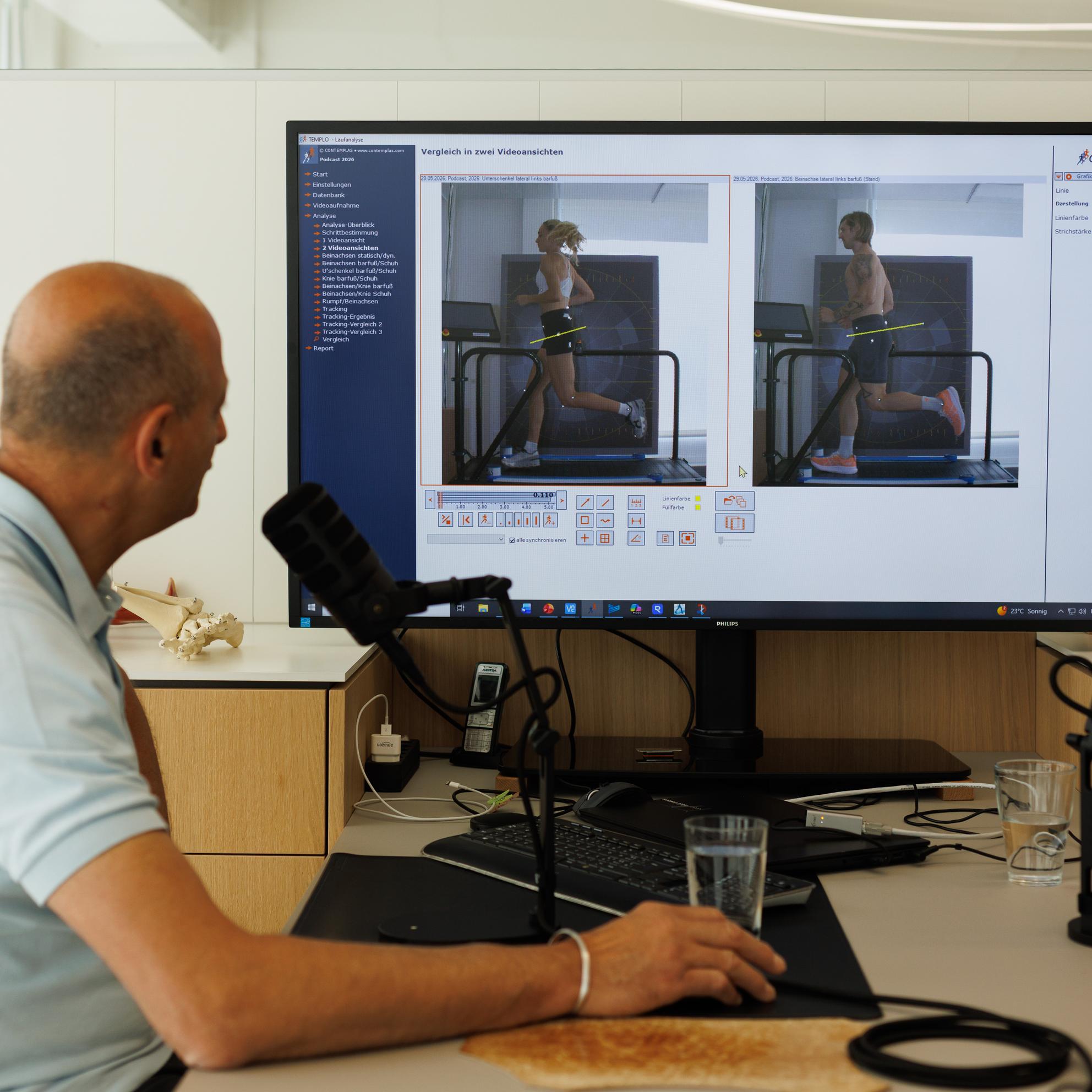
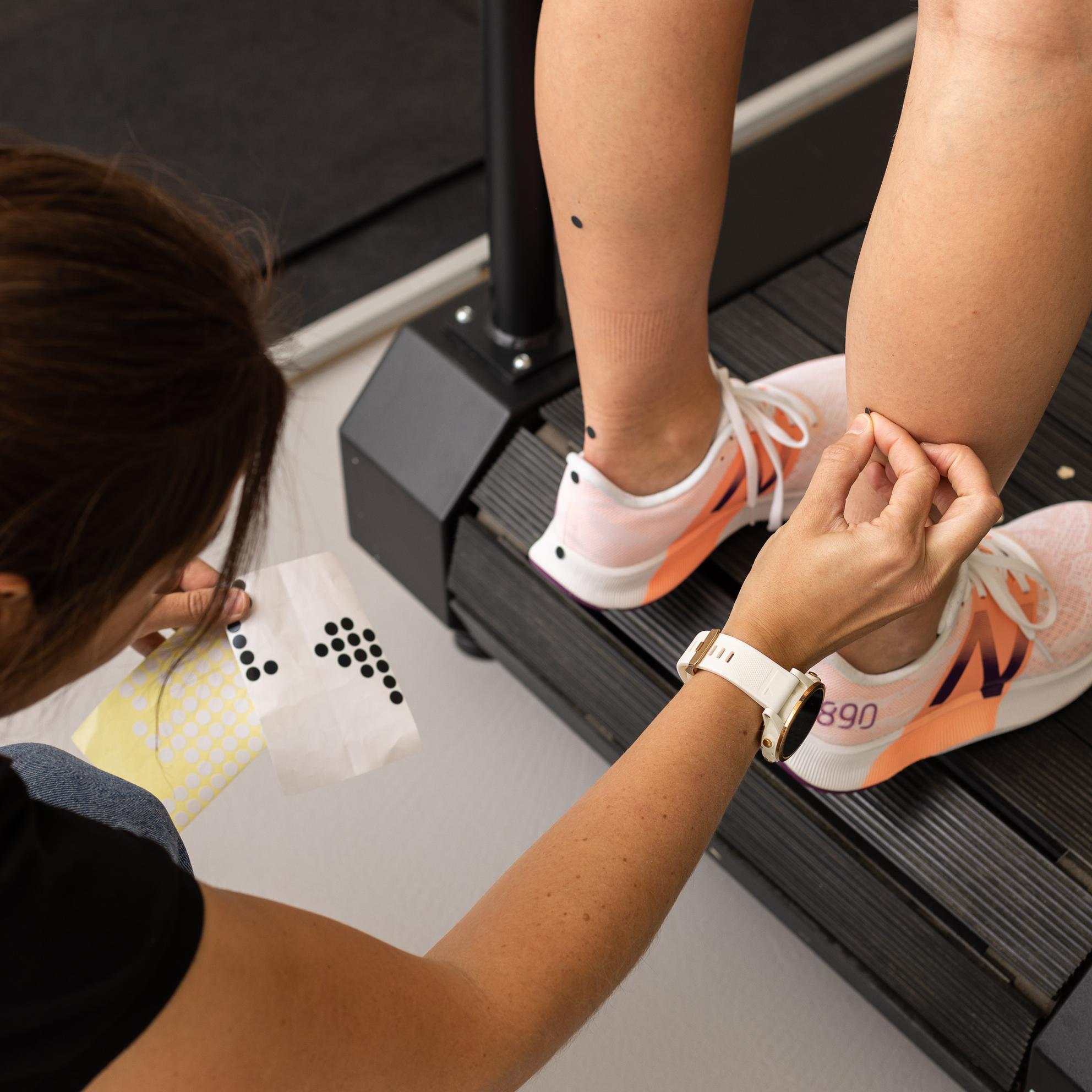
As part of a professional running and gait analysis , we examine individual biomechanics under dynamic conditions: using state-of-the-art measurement technology and our expertise, we identify incorrect loading, asymmetries in the leg axes or unfavorable pressure distribution with precision and determine the actual cause of the discomfort.
Based on these results, we manufacture individually fitted orthotic insoles . These gently correct misalignments, restore the natural alignment of the leg axis and distribute body weight evenly in the shoe. This relieves sensitive areas, reduces muscle fatigue and provides noticeably more stability on rough terrain.
Since an insole can only work effectively in the right environment, targeted shoe consultation completes the service. We assess your existing hiking boots and work with you to find out which type of shoe — from a lightweight trail running shoe to a sturdy mountain boot — best supports your foot shape and your hiking plans. If needed, we recommend suitable models from our partners or order the appropriate shoe for later fitting with your insoles.