What is knee osteoarthritis (gonarthrosis)?
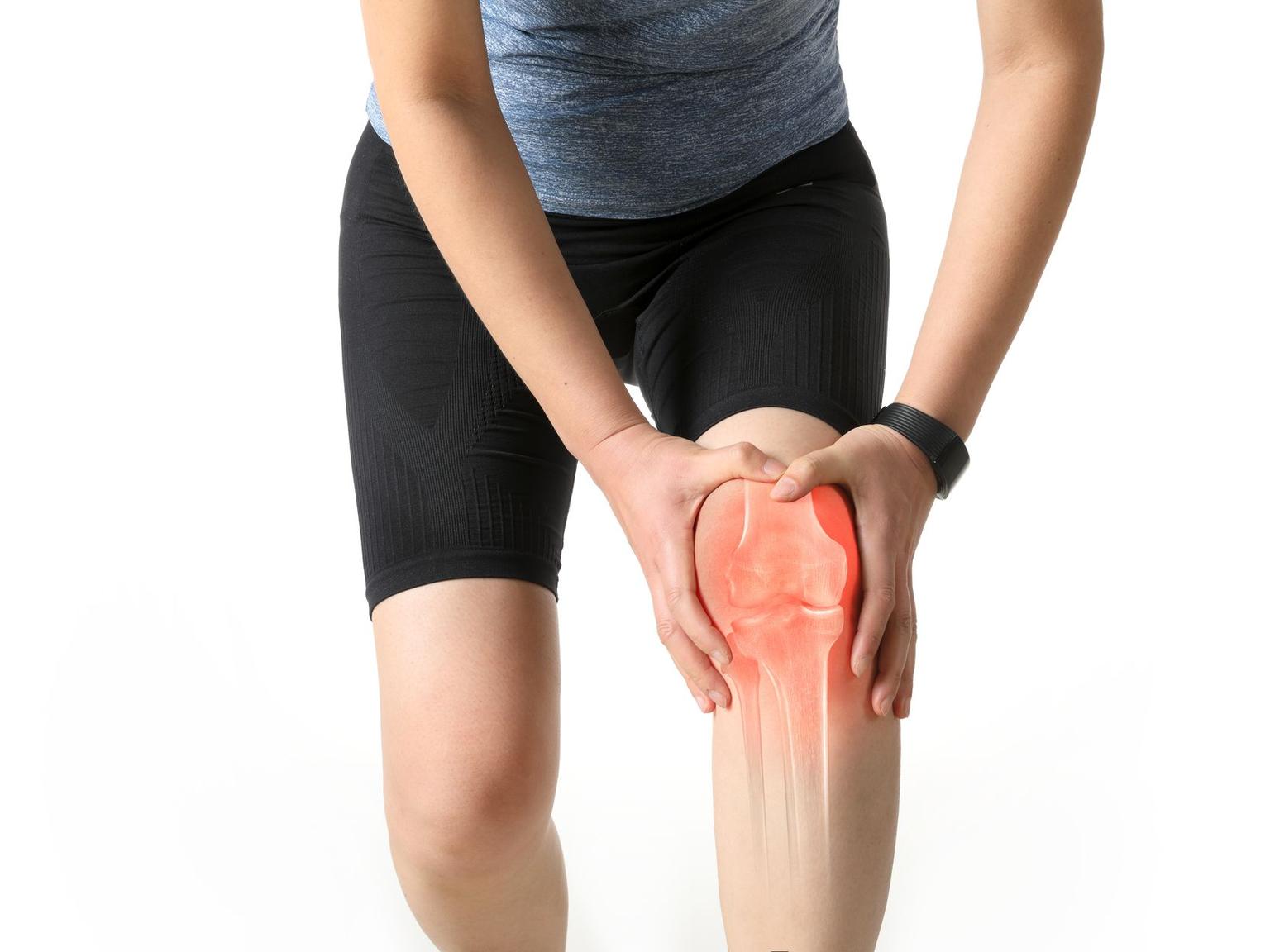
The knee joint is subjected to enormous stress in everyday life. An elastic layer of cartilage acts as a natural shock absorber. In gonarthrosis, this cartilage layer degenerates over time until holes form in advanced stages. Because the underlying bone is extremely sensitive to pressure, direct bone-on-bone contact between the joint surfaces causes severe pain. Knee osteoarthritis is a degenerative condition whose frequency increases with age, with women being affected significantly more often than men.
What are typical symptoms of knee osteoarthritis?
- Startup pain: pain felt when taking the first steps after sitting or lying down for a long time.
- Restricted movement: the joint feels stiff.
- Joint changes: visible thickening or inflammatory swelling of the knee.
What factors lead to knee osteoarthritis?
- Excess weight and heavy strain in everyday life (intense sports or manual occupations)
- Misalignment of the leg axis (bowlegs or knock-knees) as well as foot dysfunctions (flat feet) or knee misalignment (strong inward or outward rotation of the thigh or lower leg).
- Previous injuries and surgeries to the knee, especially the menisci, also increase the risk of developing early gonarthrosis.
How bowlegs or knock-knees promote osteoarthritis
An American study with 2,600 participants shows that misalignment of the leg axis is closely linked to wear of the knee cartilage. A varus alignment (bowlegs) shifts body weight to the inner side of the knee. This is one of the primary reasons for the development of so-called medial gonarthrosis (wear on the inner side).
A valgus alignment (knock-knees), on the other hand, places more strain on the outer side (lateral gonarthrosis). Sometimes osteoarthritis develops on the inner side of the knee despite knock-knees. The reason lies in biomechanics: to compensate for the misalignment or collapse of the foot (pronation), the body turns the foot of the weight-bearing leg inward and the thigh outward during push-off. This rotational movement creates increased stress and leads to early wear of the inner cartilage.
The myth of the soft sole
A widespread misconception is that extremely soft sole material is the best choice for knee or hip osteoarthritis because it absorbs shock. Often, the opposite is true: soft soles can destabilize the foot. If a leg-axis misalignment already exists, the joint is placed under even more uncontrolled stress.
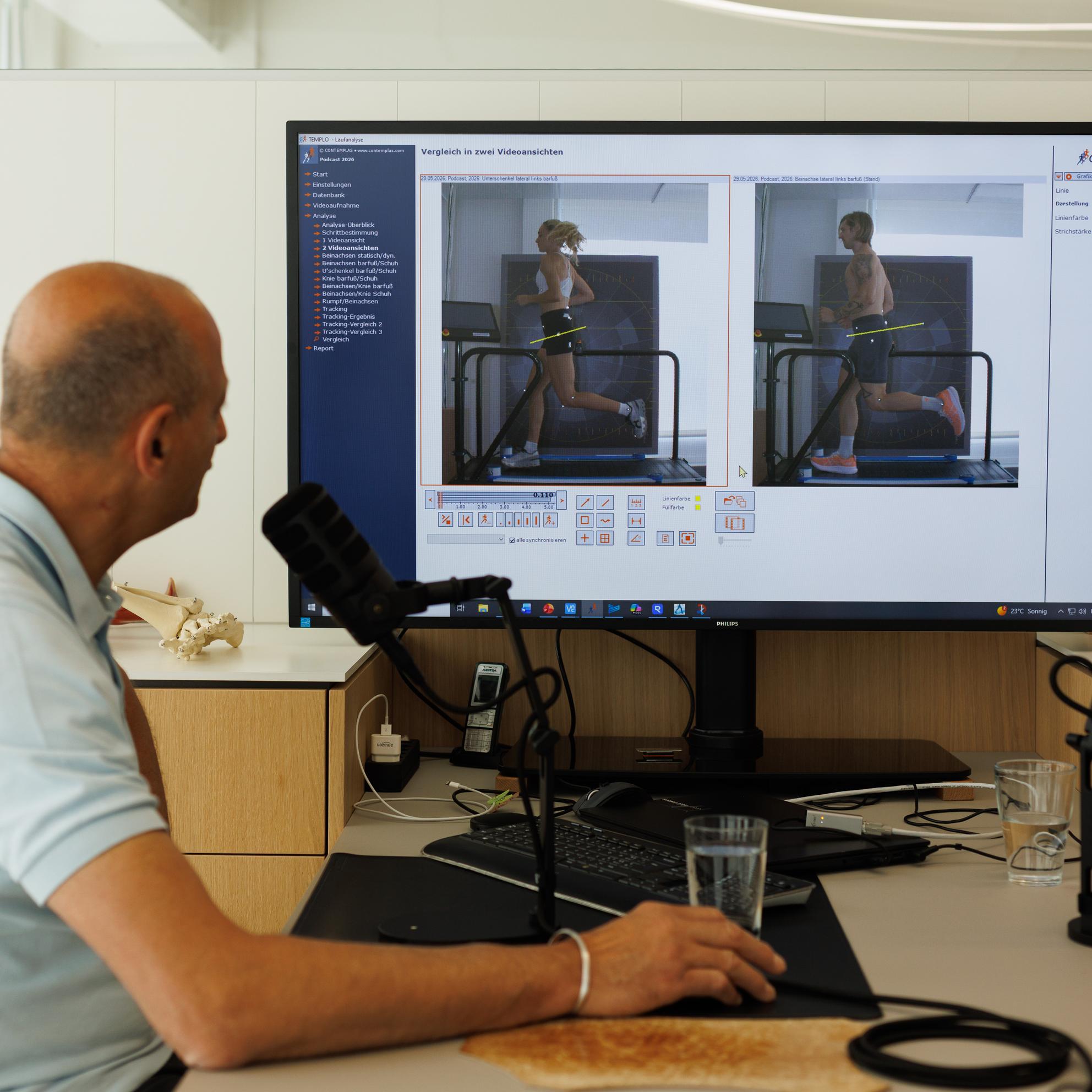
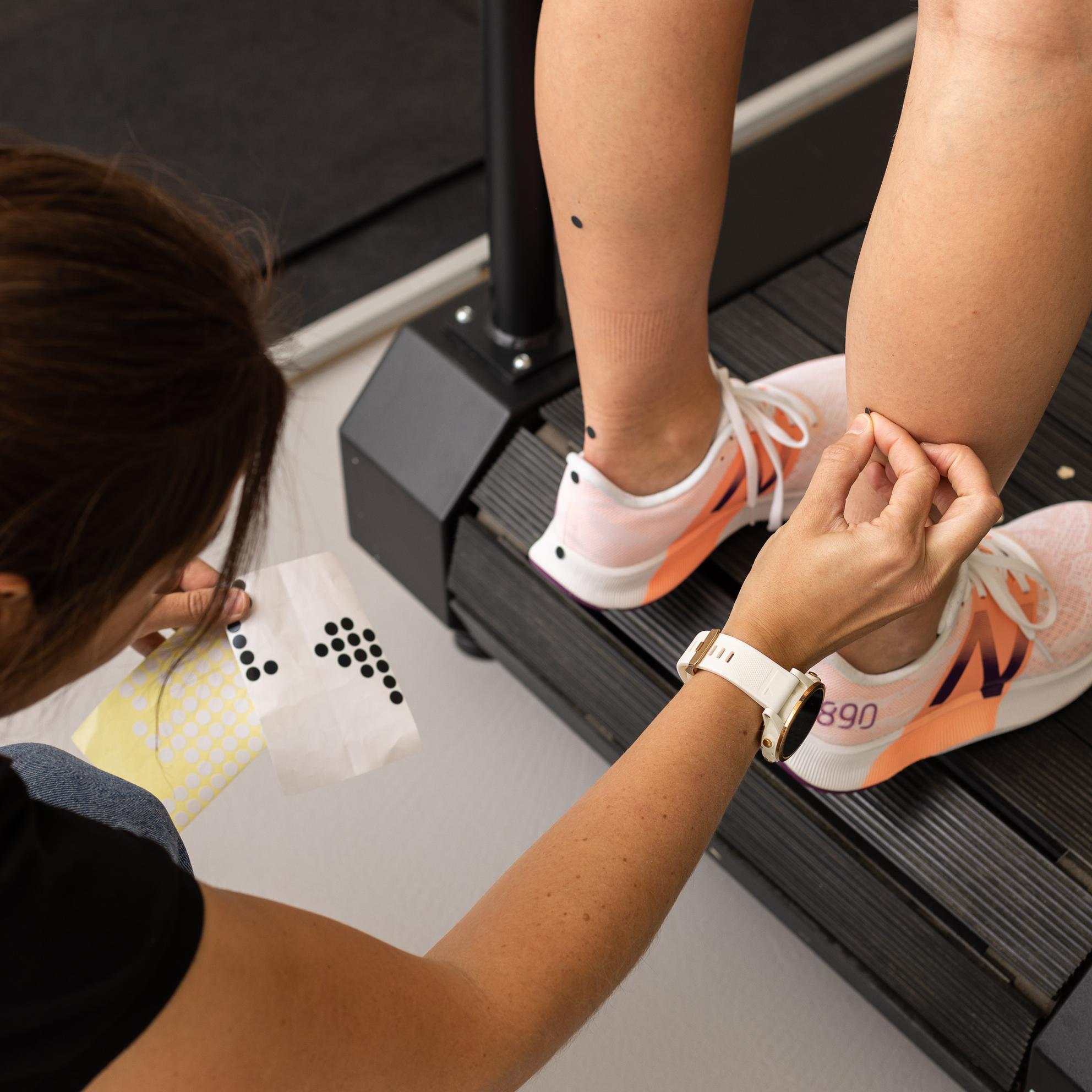
For effective relief, the leg axis must be stabilized. A professional gait and running analysis at NUMO can precisely identify these abnormal loads.
Custom insoles change pressure distribution
With orthopedic insoles , the knee position can be specifically stabilized and the pressure distribution in the knee can be altered.
In a varus alignment (bowlegs), pressure on the medial compartment can be reduced by raising the lateral edge of a shoe insole, thereby slowing the progression of medial gonarthrosis. The effect of insoles of this kind on knee joint forces has been scientifically studied and confirmed in various studies by the University Hospital of Lausanne (CHUV) in collaboration with NUMO.
In the case of flat feet or fallen arches, custom-made insoles support the foot’s longitudinal arch, align the ankle joint, and thus correct the resulting knock-knee alignment.
Prevention against osteoarthritis
A misalignment of the leg axis worsens over the years, as the stabilizing ligaments of the knee joint also loosen or become overstretched with age.
For children and adolescents: As long as the growth plates are still open, the development of the leg axes can be actively influenced and corrected. Regular checkups are the best prevention here.
For adults: Once growth is complete, the bone structure can no longer be changed — but biomechanics and movement function can.
If gonarthrosis has already been diagnosed, custom orthopedic insoles and targeted aids such as knee braces provide noticeable relief. They reduce peak loads in everyday life, stimulate metabolism in the joint, and help you stay active without pain.
Book an appointment for a running and gait analysis or let our orthopedic specialists advise you.