Whether a neutral shoe, a medially supported shoe, a rocker sole, a carbon-plated shoe or a barefoot shoe; whether a high heel-to-toe drop or maximum cushioning: the huge selection of optimal running shoes can make the decision difficult. How do you keep an overview in the jungle of sports shoes?
At the latest, when complaints occur during training, it's time to take a critical look at your footwear. Always consider this together with running technique, physical prerequisites, as well as training intensity and volume.
One example: a running shoe with an insufficiently stable sole can promote pronation (rolling inward) of the foot, even if the heel stands neutral to the ground when barefoot. In the long term, such incorrect loading often leads to pain in the knees or hips.
What does the science say?
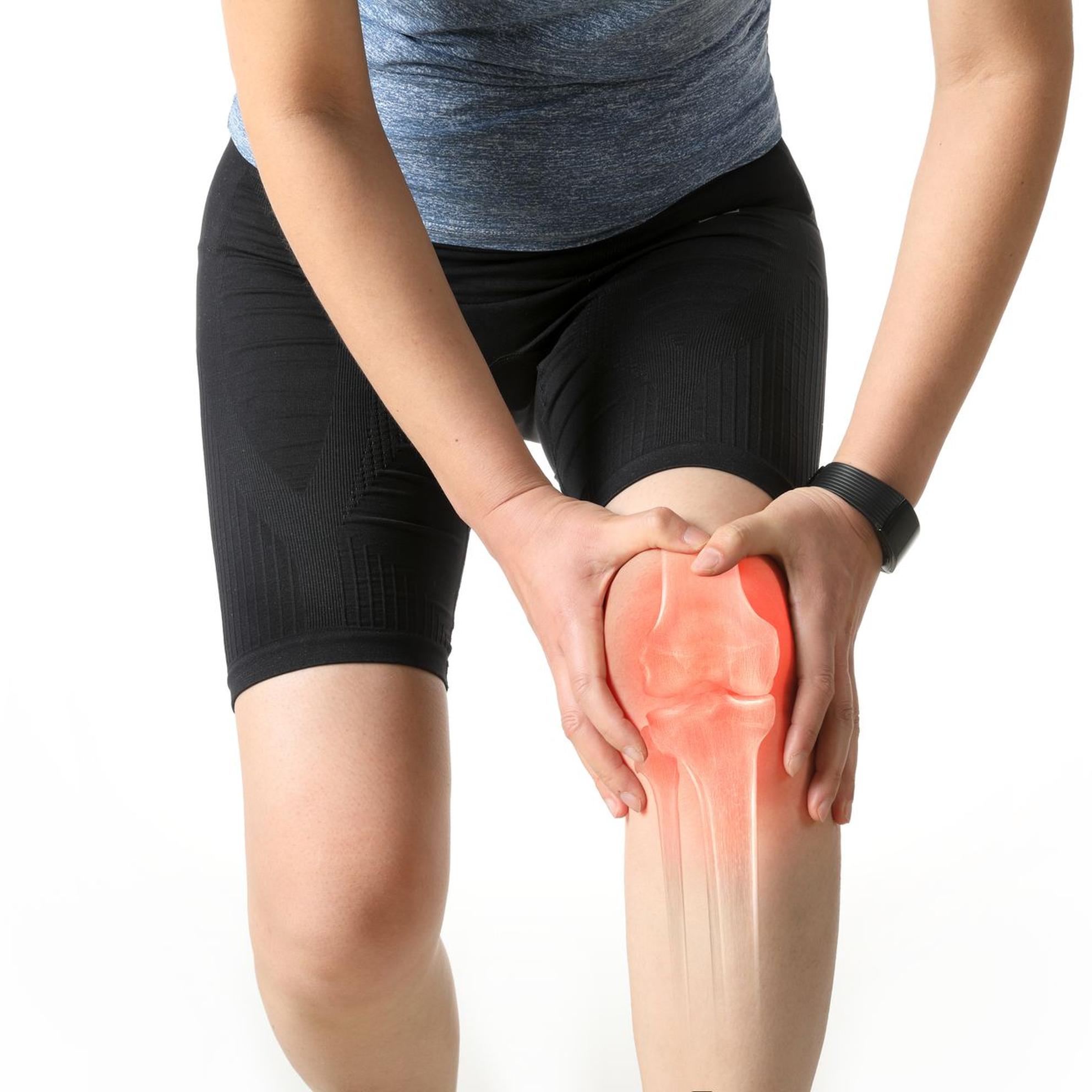
Statistics show that around 37% of all runners suffer from complaints in the lower extremities – mostly in the knees, lower legs or Achilles tendons. For years, research studies have tried to decode the influence of biomechanics on injury risk. The results, however, are as varied as running itself.
Opinions particularly diverge on cushioning and stability: while studies by Malisoux et al. suggest that stronger cushioning can reduce injuries in lighter runners, investigations by Kulmala et al. showed that a lot of cushioning – especially at high speeds – can even provoke problems. Other studies found no statistical association at all. This shows: blanket statements fall short.
The carbon-plated shoe – performance booster or risk?
A trend that has revolutionized the running scene is the carbon-plated shoe. With an integrated stiffening plate and an extremely responsive midsole, it promises maximum energy efficiency. That performance increases is proven for professionals and at high speeds. But beware: a carbon-plated shoe massively changes biomechanical loading. Not every body can tolerate this change. Running technique, body weight and speed play a decisive role in whether the shoe becomes a blessing or a curse.
Which shoe suits me? Three key questions
To narrow down the selection, you should ask yourself the following three questions:
1. Goal: What do you want to achieve? Are you aiming for new personal bests in competition, do you want to improve your general fitness, or is running meant as a complement to another sport?
2. Application: Where and how do you train? Are fast intervals on the track planned or long runs on soft forest ground? Or are you even heading into alpine terrain (trail running)?
3. Current condition: What is your physical starting point? Do you have current complaints or old injuries? What is the shape of your foot and the alignment of your legs?
A few rules of thumb:
- A carbon-plated shoe is suitable for a fast run on flat ground. It certainly has no place in trail running.
- The longer the training session, the more stable the shoe should be. A shoe with high cushioning is often less stable.
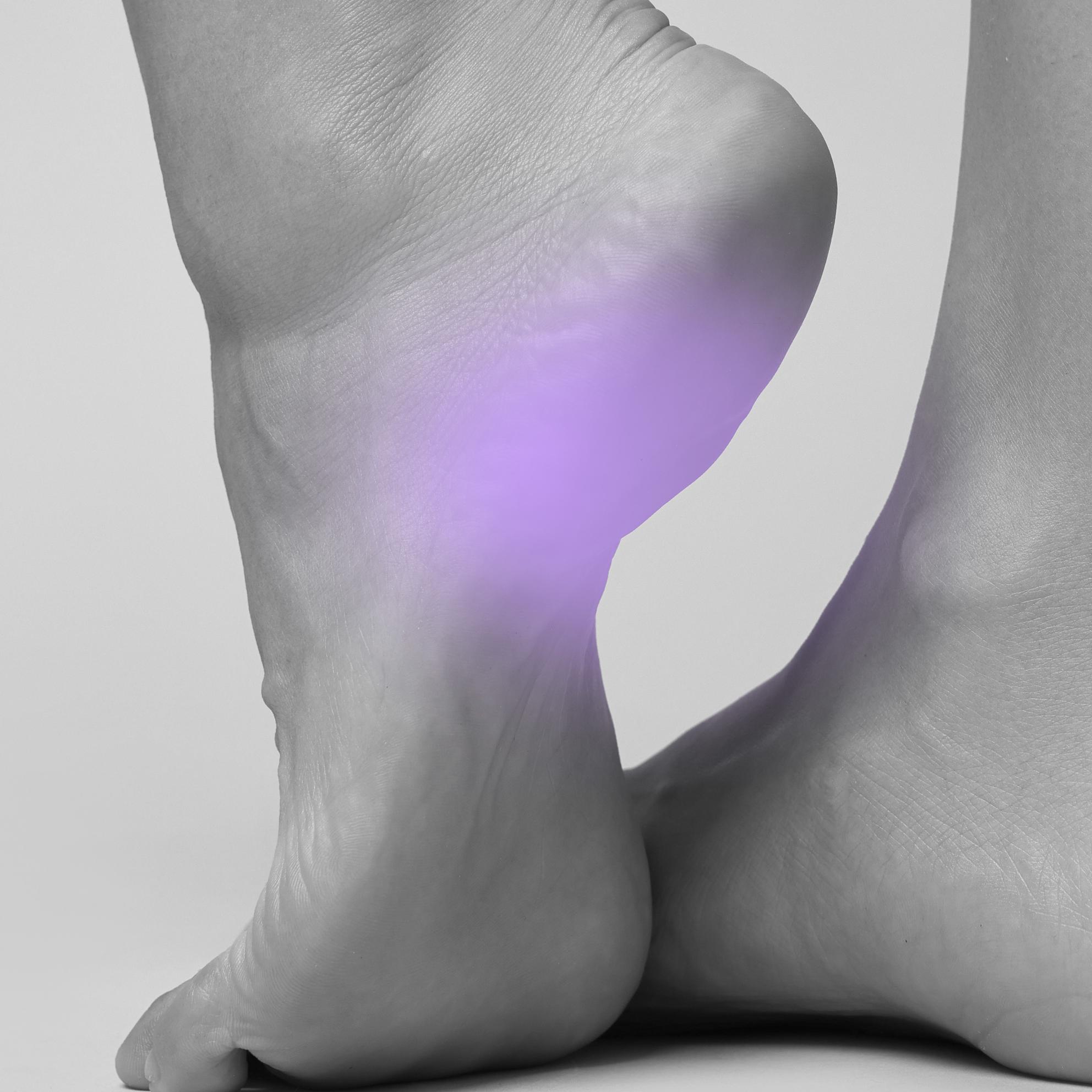
- With Achilles tendon problems, a sole that is too soft can be counterproductive because it disrupts axial loading.
Our conclusion
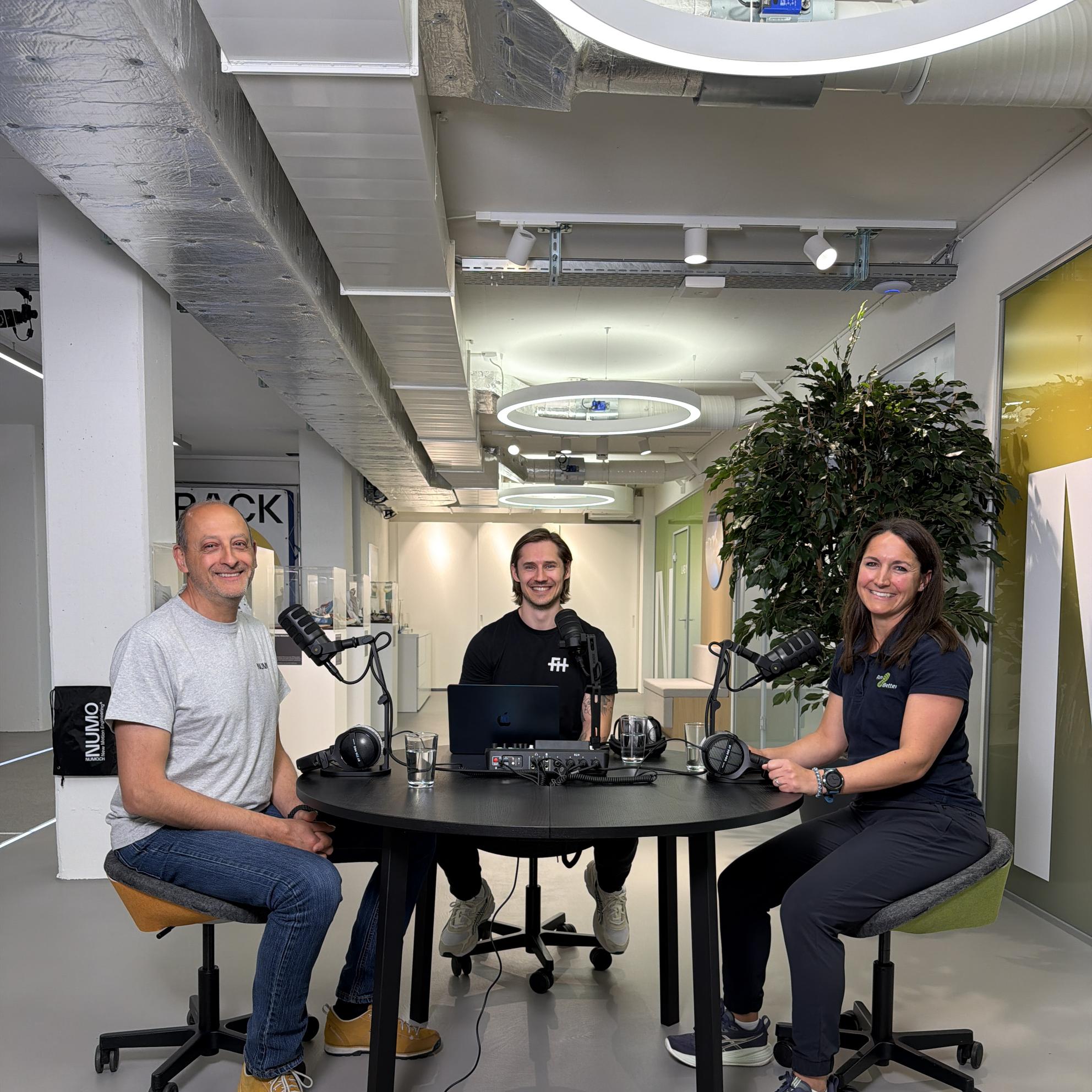
There is no single perfect shoe. There is only the individually best solution for you. At NUMO we support you in finding exactly that model.
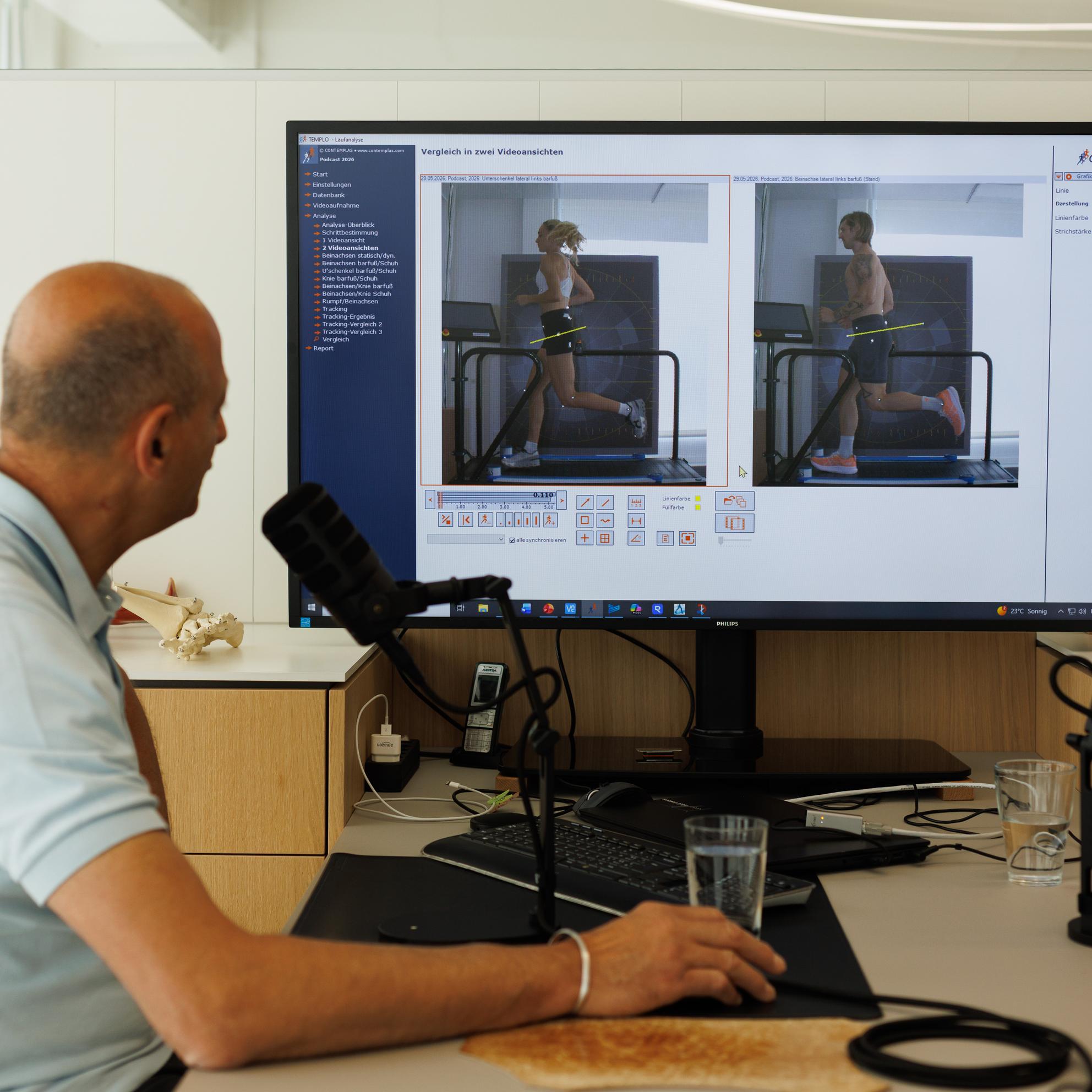
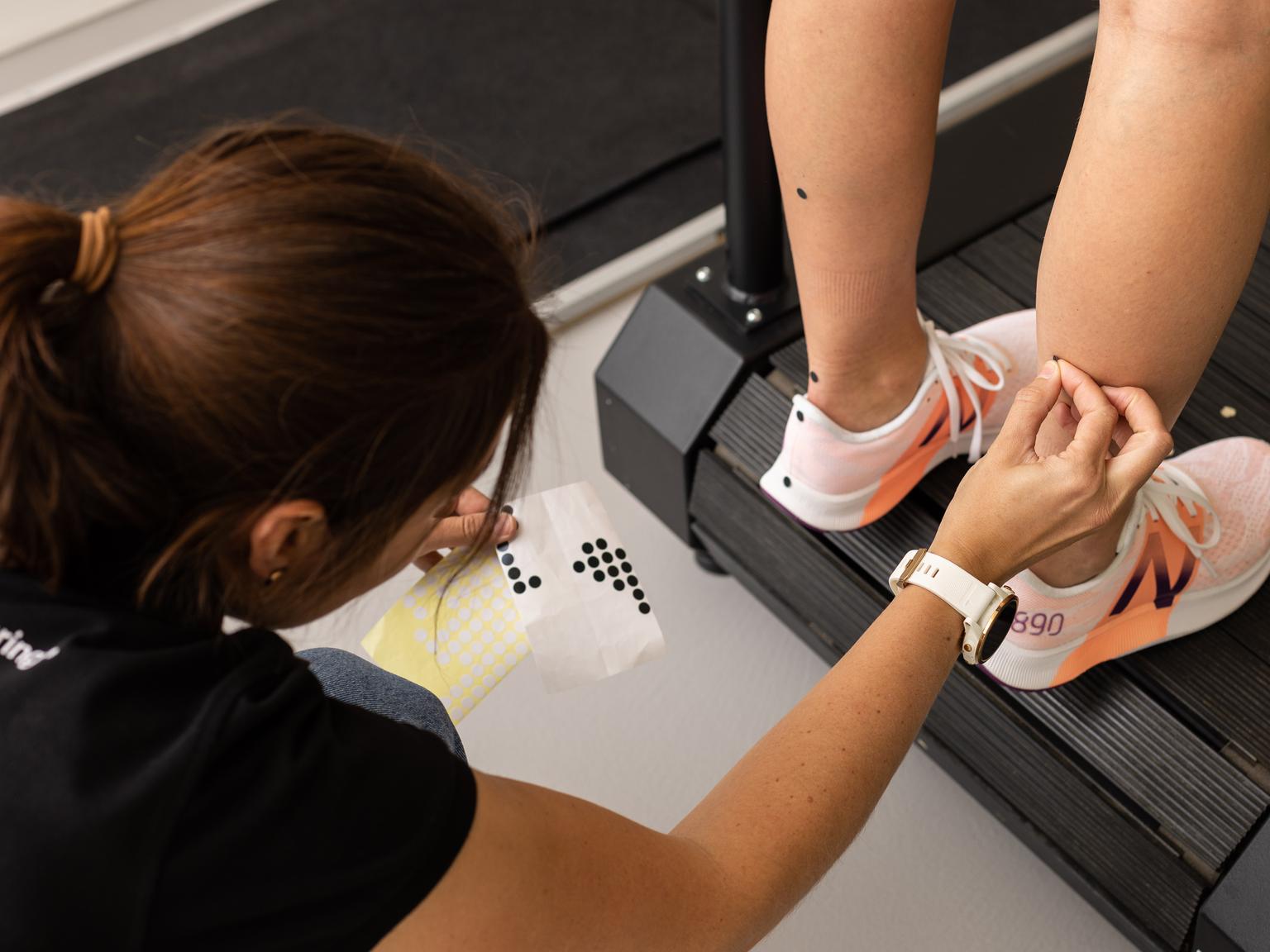
As part of our professional running analysis we examine your biomechanics and running style. In a shoe consultation we analyze your previous shoes, let you try various test models and use video analysis to find out which shoe best supports your movement.
Aside from shoe choice, we have three tips for you:
- Work continuously on your running technique, in particular using running drills (Lauf-ABC).
- An insole is an aid but cannot correct a fundamentally unsuitable shoe.
- Don't trust a brand blindly: a successor model can behave biomechanically completely differently from its predecessor.
Mentioned literature
Laurent Malisoux, Nicolas Delattre, Paul Gette, Axel Urhausen, Daniel Theisen. Shoe cushioning, body weight and running biomechanics as risk factors for running injuries. Luxembourg Institute of Health. Date of publication unknown.
Kulmala, JP., Kosonen, J., Nurminen, J. et al. Running in highly cushioned shoes increases leg stiffness and amplifies impact loading. Scientific Reports 8, 17496 (2018). DOI: 10.1038/s41598-018-35980-6.